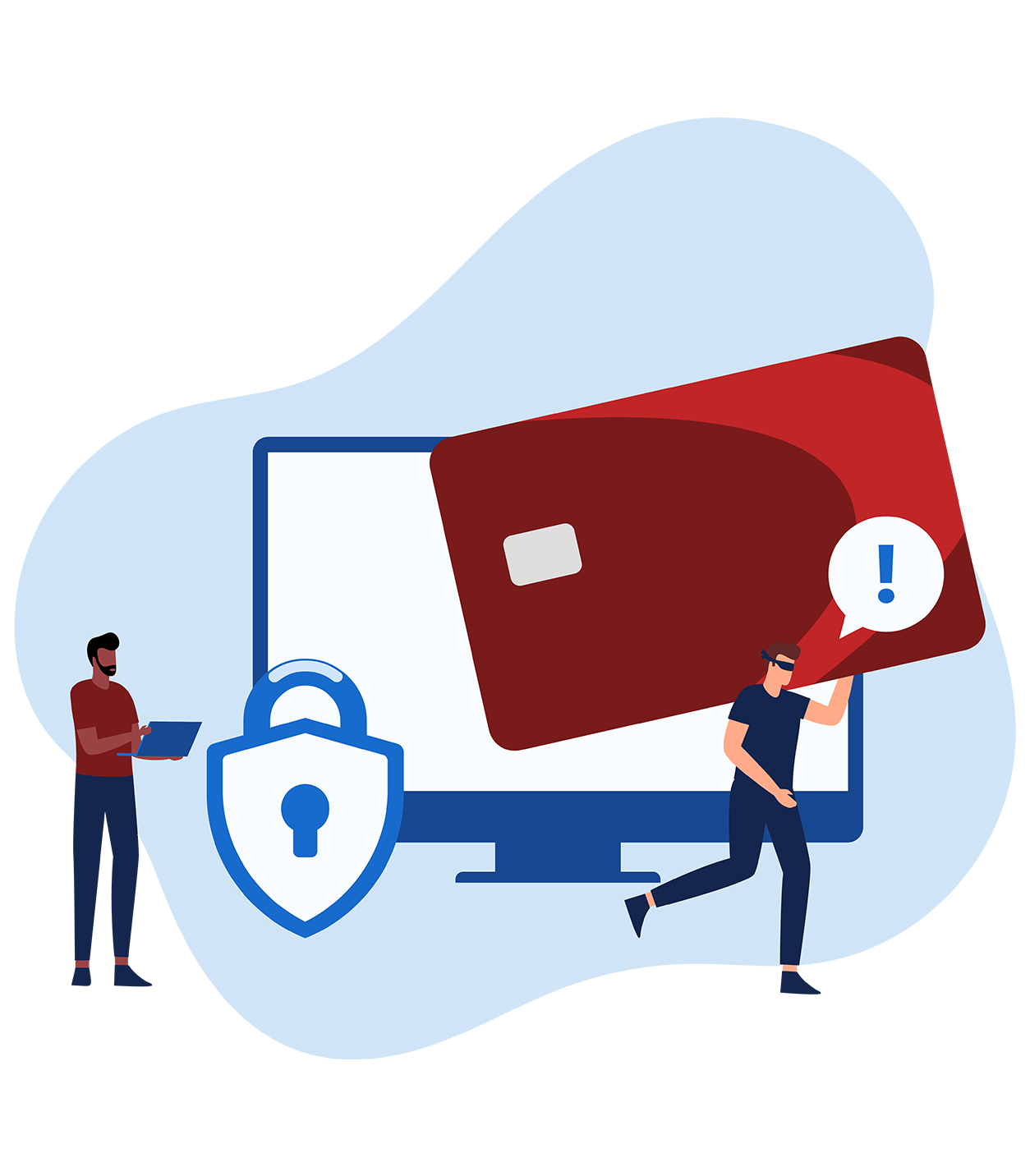
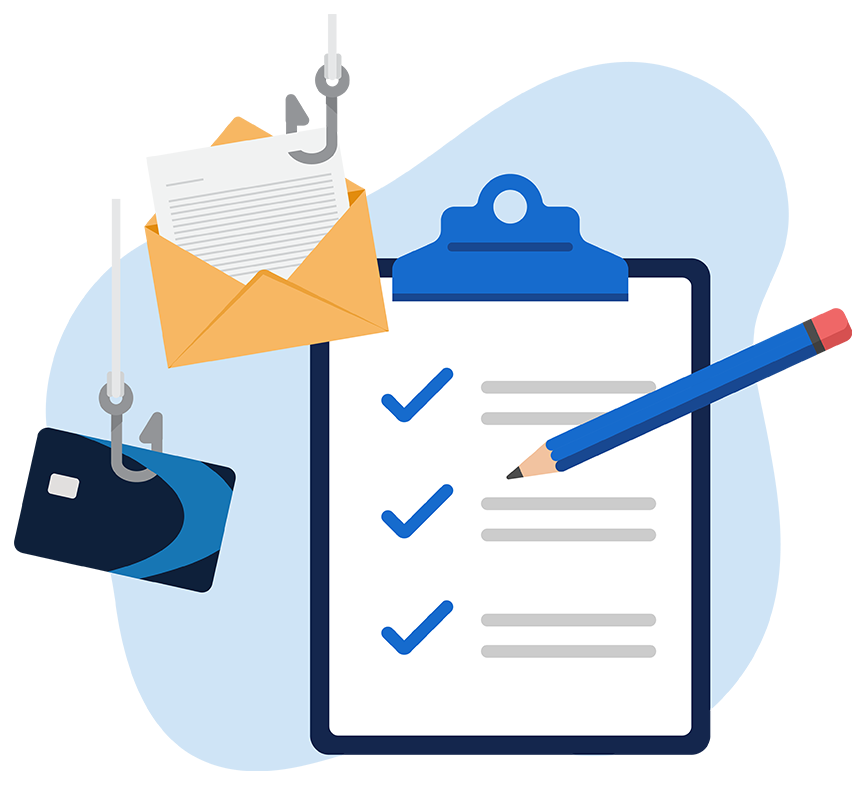
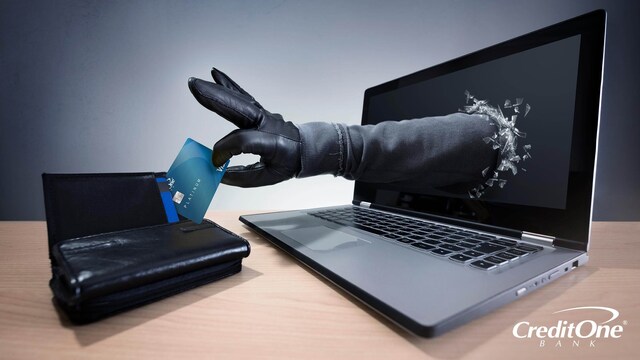
Many current scams are designed to steal your personal information by pretending to be something else. Think of them like digital Trojan horses-designed to catch you off guard through the art of disguise. Cyber criminals play on emotions like fear and often present a situation that will cause you to panic and react quickly instead of stopping to think rationally.
Phishing: The classic phishing scam involves the illusion of a legitimate request in order to steal your personal information, like login details or private data. The thief usually poses as someone from a real company, like your bank or credit card company, to fool you into thinking it's safe to share your personal details.
Smishing: When phishing happens through text messaging, a.k.a. short message services (SMS), it's referred to as smishing. The text message will often masquerade as an alert from your bank or credit card account, but the link might be infected with a virus or lead you to a fake site asking for your credentials to log in.
Vishing: When phishing happens by phone or voicemail, it's called vishing (voice phishing). The phone call will usually be from someone pretending to represent a bank, trusted company, charity or government agency, and will ask for personal details.
Spear phishing: Rather than a general widespread attempt at getting data from unspecified victims, spear phishing is deliberately targeted to you. Criminals will gather personal information about you on social media and customize their phishing scheme to you, using familiar names and details.
Catphishing: Romance scams are sometimes called catfishing, but when the catfish is also phishing, it's specifically known as catphishing. These scams play with your heart as the emotional manipulation, and a catfish will pretend to be someone they're not by using fake online profiles with stolen photos.
Spoofing: When phishing is done specifically by impersonating someone else, it's called spoofing. Fake communication appears to be from your financial institution with one key difference: they will ask for your personal information, such as bank account, credit card, or social security number.
Find out more about these scams in our in-depth article, Five Credit Card Scams You Need to Know About.